
Research at ULC: Driving Sustainable Change in the DRC
The Université Loyola du Congo (ULC) is fundamentally a research-driven institution, viewing scholarship not as an abstract exercise but as a powerful engine for national development and social transformation. Our research agenda is explicitly oriented toward service, seeking to provide concrete, ethical, and sustainable solutions to the challenges facing the Democratic Republic of Congo and the wider Central African region.1
15 Institutes
15 Libraries
$1.82 Billion
The Mandate: Applied Research for Local Solutions
ULC organizes fundamental and applied scientific research rooted in the Jesuit tradition of reflection and action.1 This mandate is defined by two core principles:
- Problem-Solving Focus: Our research is directly oriented toward solving the specific, urgent problems of the country and the Church, while remaining attentive to global advancements in science, techniques, and technology.1
- SDG Alignment: ULC’s commitment ensures that our research outcomes contribute to the UN Sustainable Development Goals (SDGs), promoting a sustainable, united, and inclusive future for Central Africa.3 This is achieved by forming dedicated and effective actors of local development committed to social cohesion and the common good.2
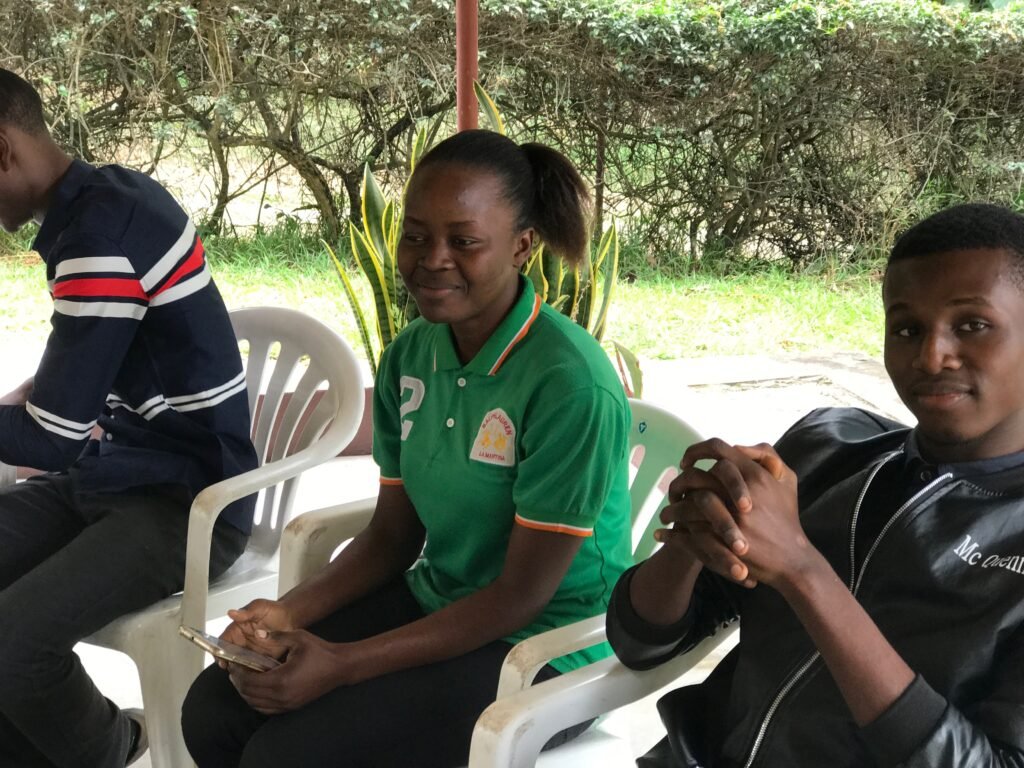
The Research Enterprise
At the intersection of disciplines is where new ideas emerge and innovative research happens
At the intersection of disciplines is where new ideas emerge and innovative research happens
At the intersection of disciplines is where new ideas emerge and innovative research happens

The American Journal of Applied Scientific Research (AJASR): A Rigorous Peer-Reviewed Platform.
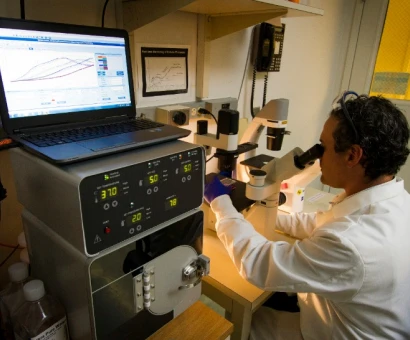
The American Journal of Applied Scientific Research (AJASR): A Rigorous Peer-Reviewed Platform.

The American Journal of Applied Scientific Research (AJASR): A Rigorous Peer-Reviewed Platform.
Research Focus Areas by Faculty
ULC’s five faculties integrate research directly into their pedagogical models, ensuring that students and faculty are constantly engaged in finding relevant local solutions.4
. Faculty of Agronomic and Veterinary Sciences (FSAV)
The FSAV focuses research on critical areas impacting food security and environmental sustainability, aspiring to be a Center of Excellence (Magis) for innovative agriculture.2
- Focus: Sustainable production systems, improved productivity, biodiversity management, and climate resilience.2
- Key Research Fields (Masters Level):
- Agroforesterie: Research into integrating trees and crops to enhance sustainability, soil conservation, and carbon sequestration.2
- Agribusiness: Research on improving the efficiency, financial management, and sustainability of agricultural value chains and enterprises.2
- Agroalimentaire: Innovation in the transformation, conservation, quality control, and safety of consumable agricultural goods.2
- Zootechnie: Applied research into animal nutrition, reproduction, genetics, and optimizing industrial livestock farming while respecting animal welfare.2
FSAV researchers and students actively work to disseminate modern and traditional techniques to local farmers and breeders, helping them create and manage their own agricultural enterprises.2
- Faculty of Science and Technology (Engineering)
In partnership with Icam, the Engineering Faculty emphasizes the research and practical application of industrial systems and technical project steering.2
- Applied Pedagogy: Research is integrated through Project Pedagogy (PP) and Decision Pedagogy (PDD), training engineers to manage complex industrial systems, turn goals into capitalizable results, and foster entrepreneurial liberty in project design.2
- Fields: Industrial Systems Maintenance, Mechanical Engineering, Electrical Engineering, and Energy, Environment, and Materials.2
- Faculty of Philosophy
The Faculty maintains a research focus on ethical discernment and social analysis, essential for building the “just and fraternal society” envisioned by the ULC.3
- Research Areas: Specialization is offered at the Master’s level in Political and Moral Philosophy and Metaphysics and History of Philosophy, focusing on critical social dynamics.2
- Other Faculties
The Faculties of Economic Sciences and Management and the Business School focus their research on analyzing complex social dynamics and providing strategic solutions to economic and organizational challenges in a changing world, developing competencies in finance, management, marketing, and entrepreneurship.2
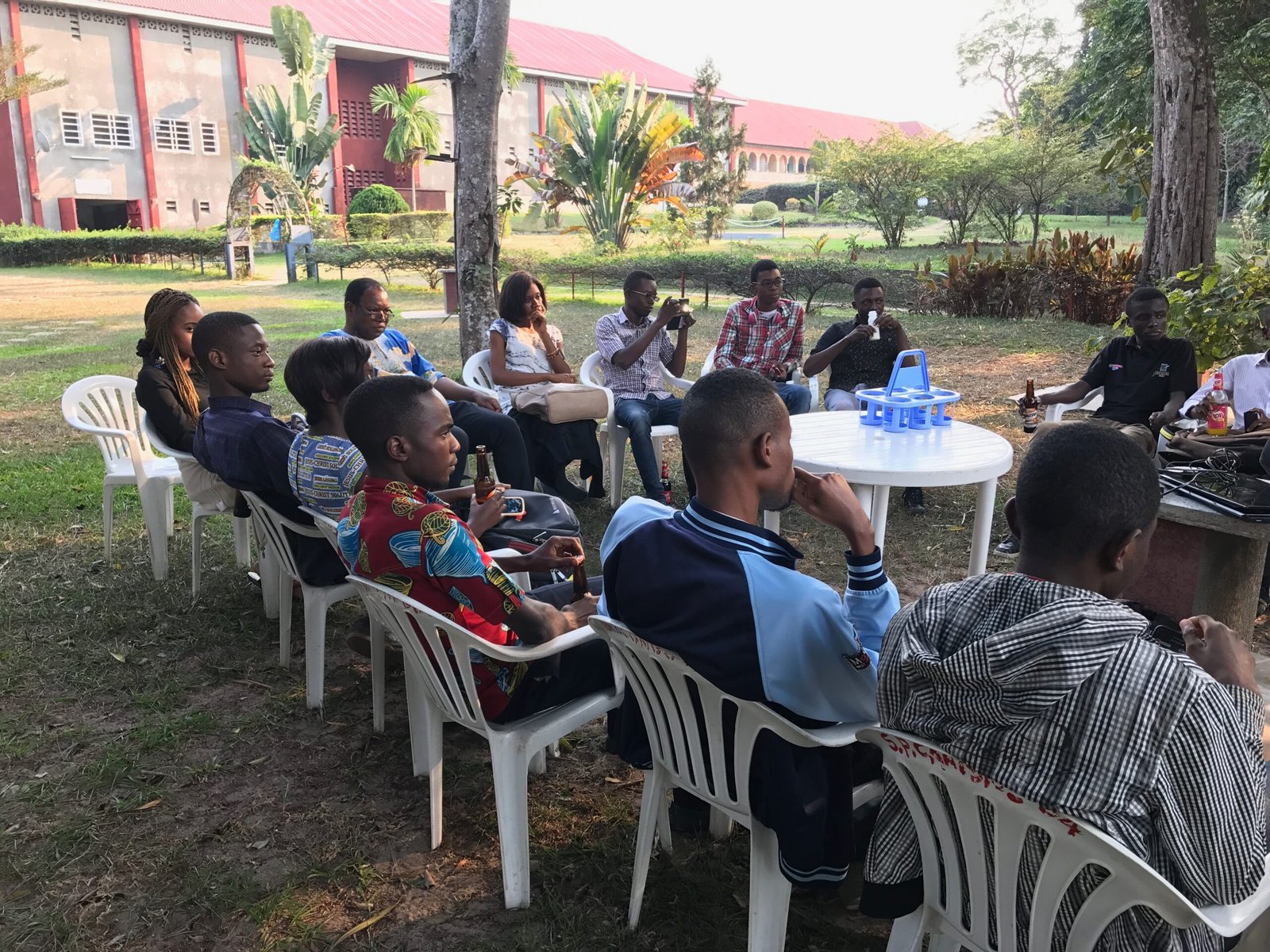
Medicine Research: Advancing Healthcare Through Discovery
Biomedical Research
Genomic Medicine: Investigating the role of genetics in health and disease to personalize medical treatments.
Clinical Trials
Conducting controlled experiments to the safety and efficacy of new medical drugs, or interventions.
Public Health Research
Addressing population-level health issues, studying epidemiology, preventive measures, and health policy.
Exploration of Human Health
Translating Discoveries to Care:
Collaboration and Interdisciplinary Insights:
Research Centers and Community Engagement
Genomic Medicine: Investigating the role of genetics in health and disease to personalize medical treatments.
Clinical Trials
Conducting controlled experiments to the safety and efficacy of new medical drugs, or interventions.
Public Health Research
Addressing population-level health issues, studying epidemiology, preventive measures, and health policy.